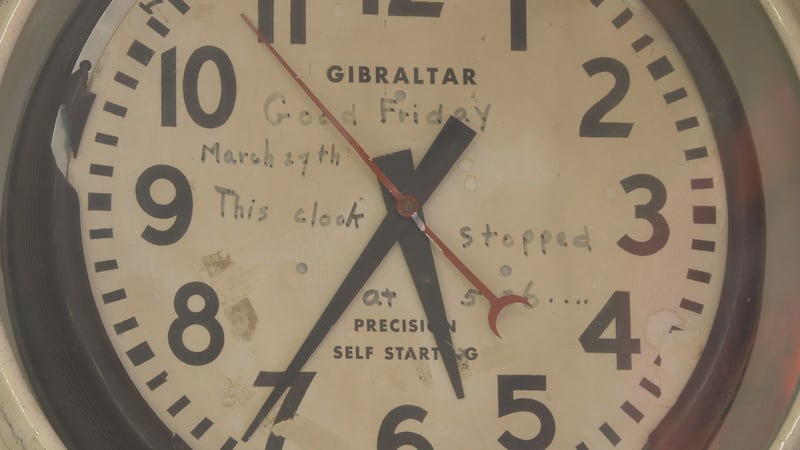
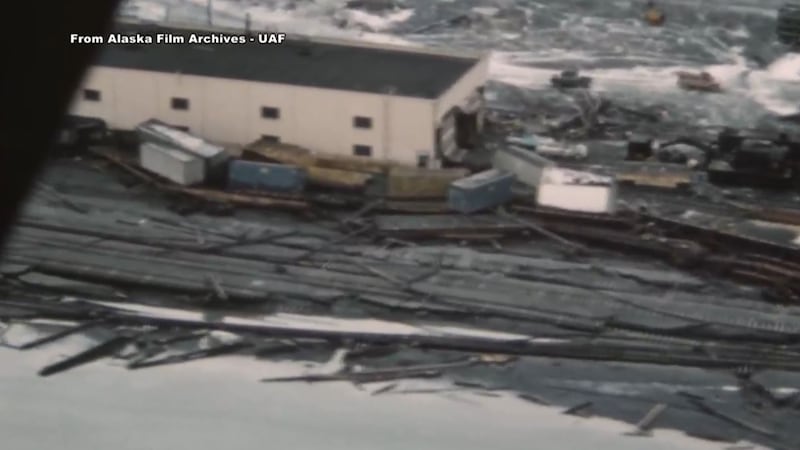
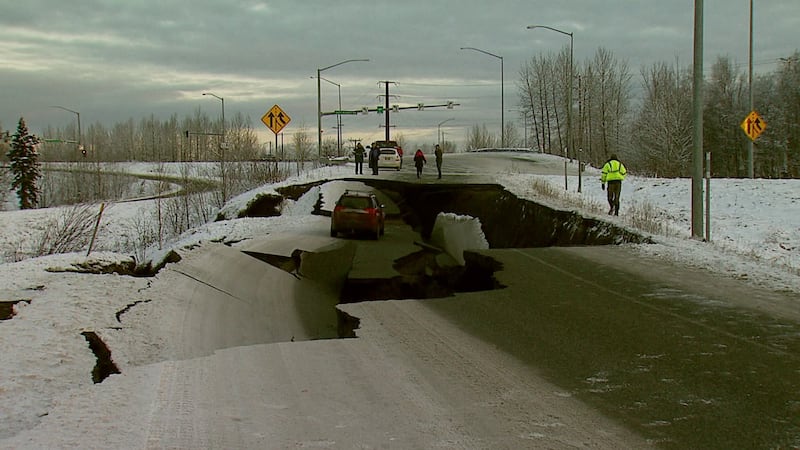
A clock hangs on the wall of an Anchorage bakery. It stopped telling time at 5:36 p.m. on March 27, 1964. It fell off the wall of an Anchorage restaurant during Alaska's Good Friday earthquake.
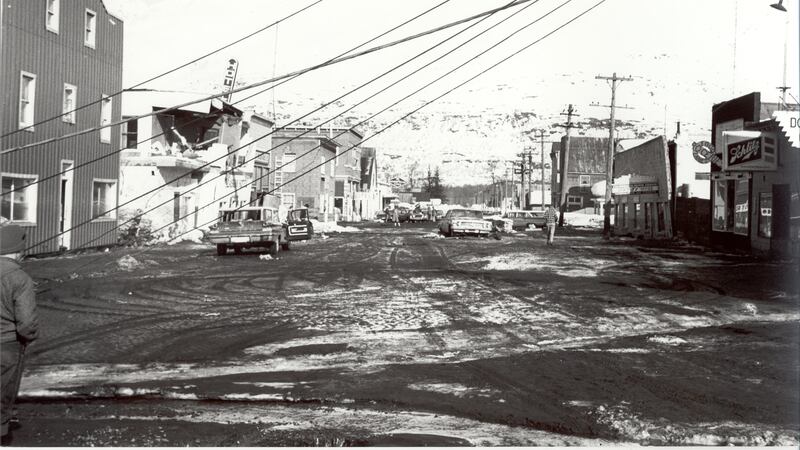
The Great Alaska Earthquake struck Alaska 61 years ago on March 27, 1964. Valdez resident Wade Huls was just 11 on that day, but remembers the events vividly.
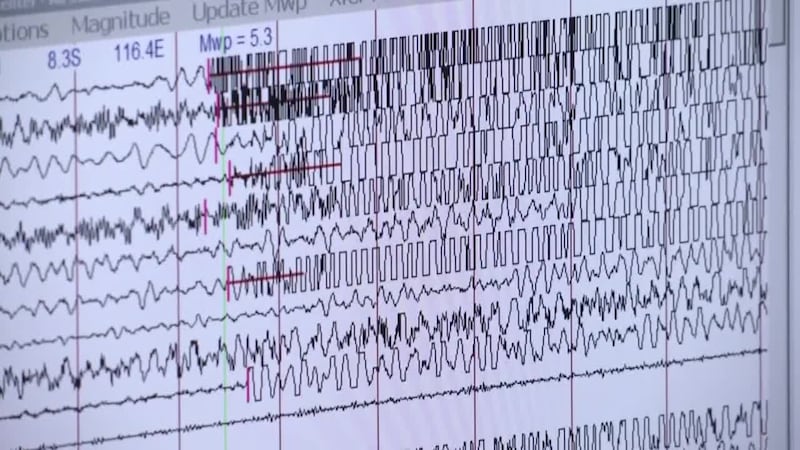
State Seismologist and Alaska Earthquake Center Director Michael West said this feature helps demonstrate what could be possible for an Alaska early warning system.
Geologists with the State of Alaska are currently in Ketchikan researching slope conditions in an effort to ensure the area is safe before looking into the actual cause of Sunday’s deadly landslide.
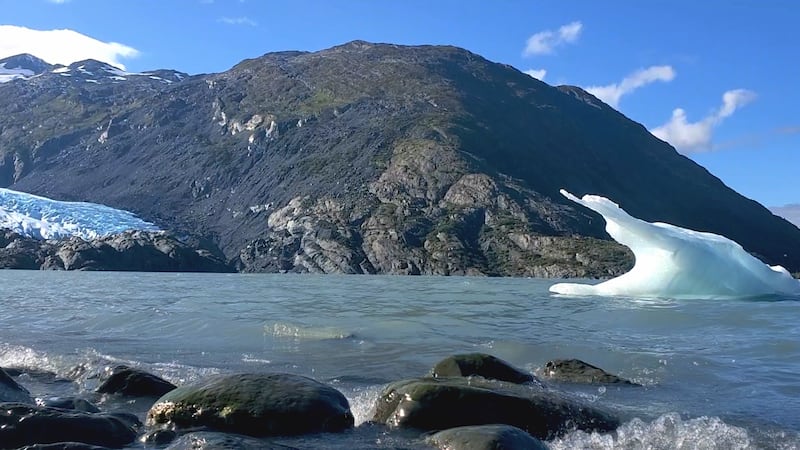
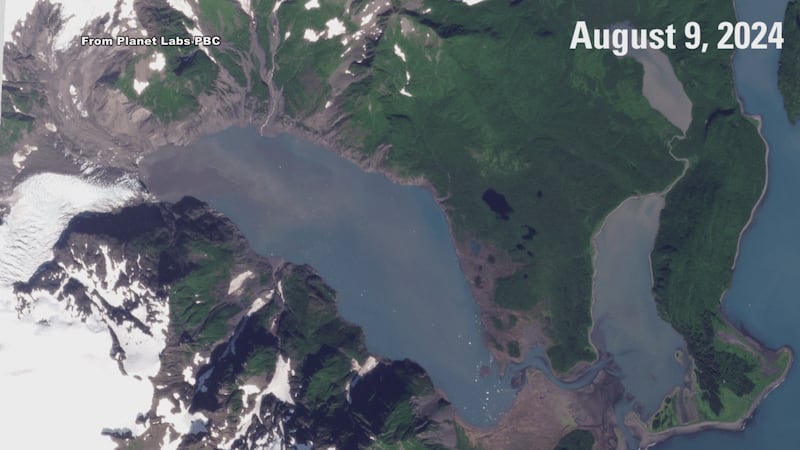
Scientists and Kenai Fjords National Park are recommending people going to an area near Seward to be aware after they say a major rain event triggered an estimated 2.6 million cubic yards of land to fall and trigger a tsunami in Pedersen Lagoon.
In this special presentation, we hear from people who felt the ground move violently that evening, who ran from tsunamis and who watched their communities fall apart. We look at why the earth ruptured that evening and if it could ever happen again. We also talk to the scientists who are still studying this earthquake and resulting tsunamis 60 years later.
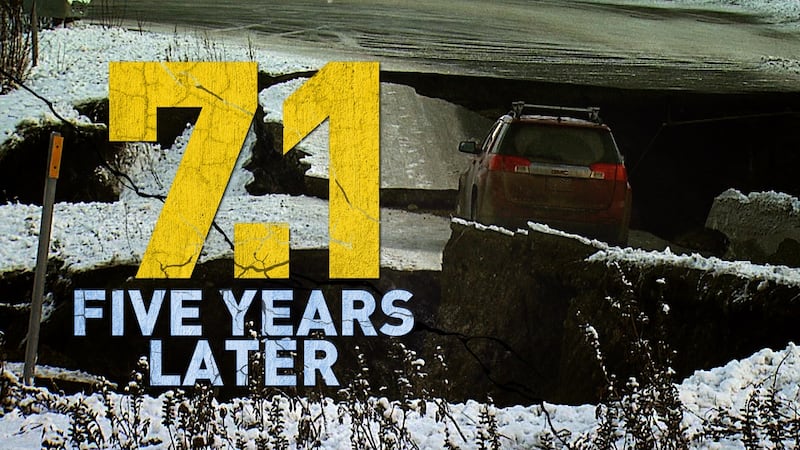
In this 30-minute special presentation “7.1: Five Years Later,” we look back at the impacts of the earthquake as a reminder of what we learned, how much better prepared we are today, and what work still needs to be done.
On Nov. 30, 2018, many of our phones, TVs, and radios sounded an alarm that warned of a potential tsunami in Southcentral. But how do you know if you should respond to that warning?
A good emergency kit could mean you don't have to go to a shelter after a natural disaster. Here are the basics to build one and how you can do it over time.
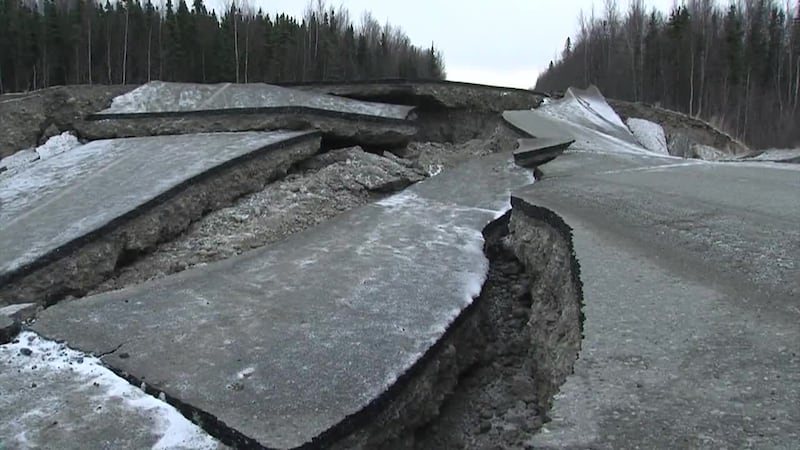
Five years after a magnitude 7.1 earthquake hit Southcentral Alaska, engineers and city leaders reflect on what has changed since that time and what lessons were learned. The big question: Are we in a better place now than we were then?
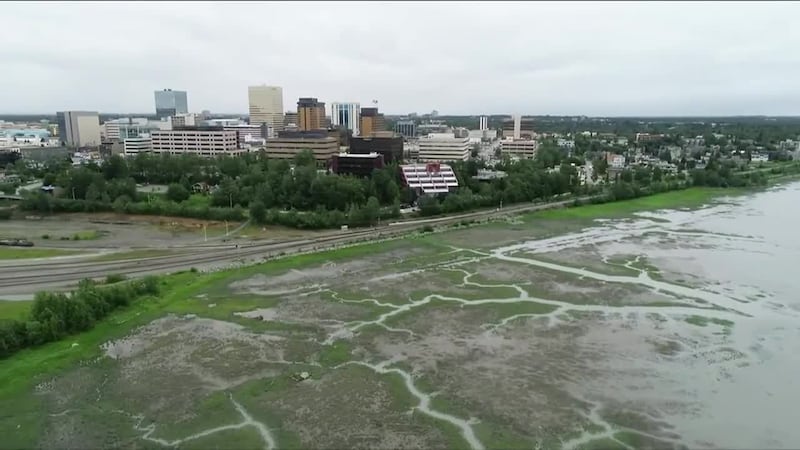
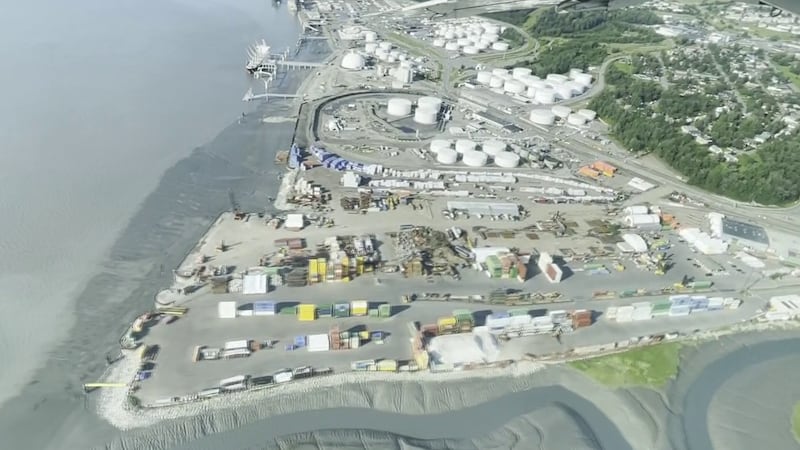
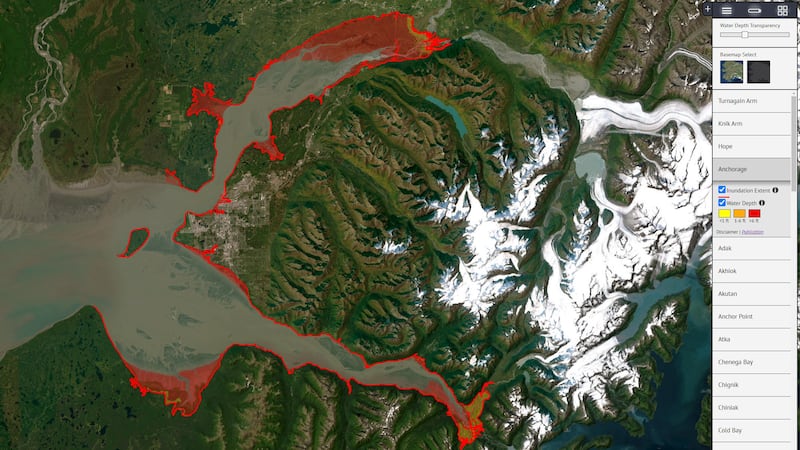
After decades of speculation, it is no longer a question of it, but when a tsunami floods portions of Anchorage. New research proves tsunami waves can reach Anchorage following a large mega-thrust earthquake.