Comet Tsuchinshan-ATLAS has a tail nearly 18 million miles long
The last comet to light up the night sky was Neowise in March 2020
ANCHORAGE, Alaska (KTUU) - Comet Tsuchinshan-ATLAS was discovered in early 2023 and made its closest pass to earth on Saturday.
As the comet continues to move farther from both the Earth and the sun, its brightness will fade.
According to NASA, scientists refer to comets as either dirty snowballs or snowy dirtballs, depending on whether they contain more ice material or rocky debris. In the case of Comet Tsuchinshan-ATLAS, it’s a dirty snowball.
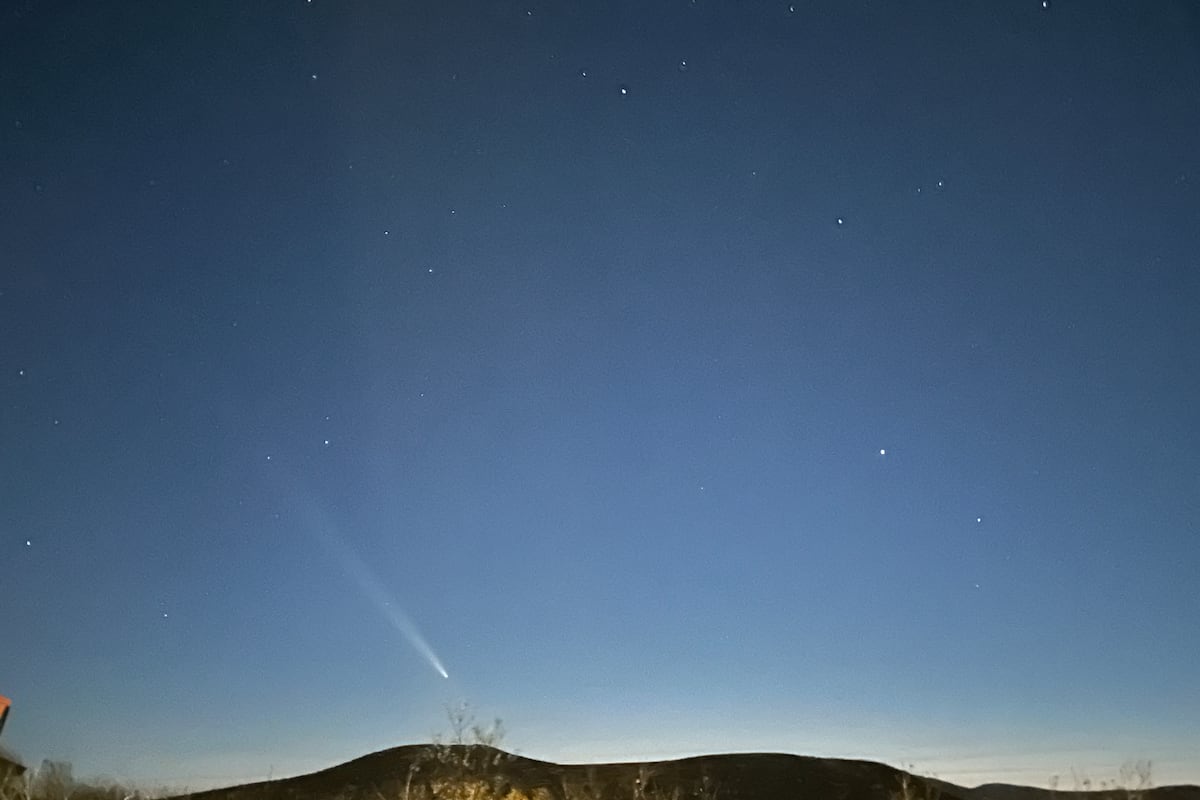
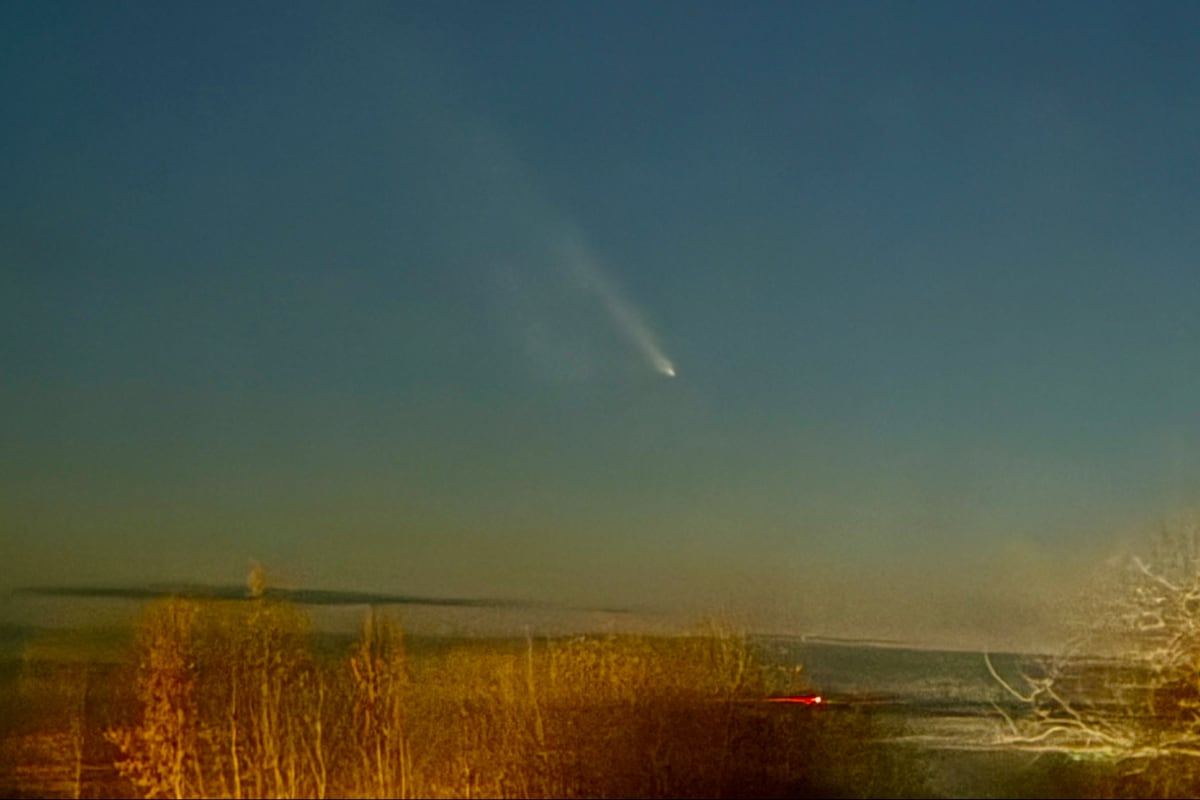
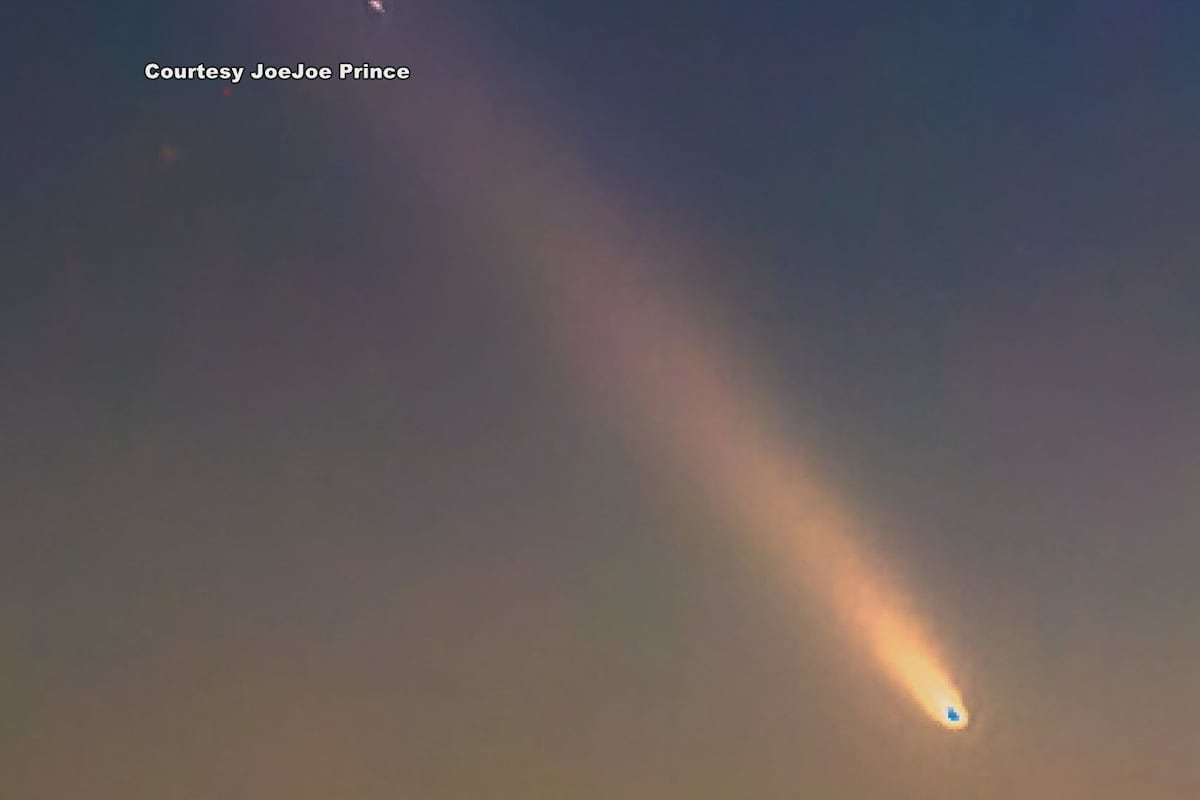
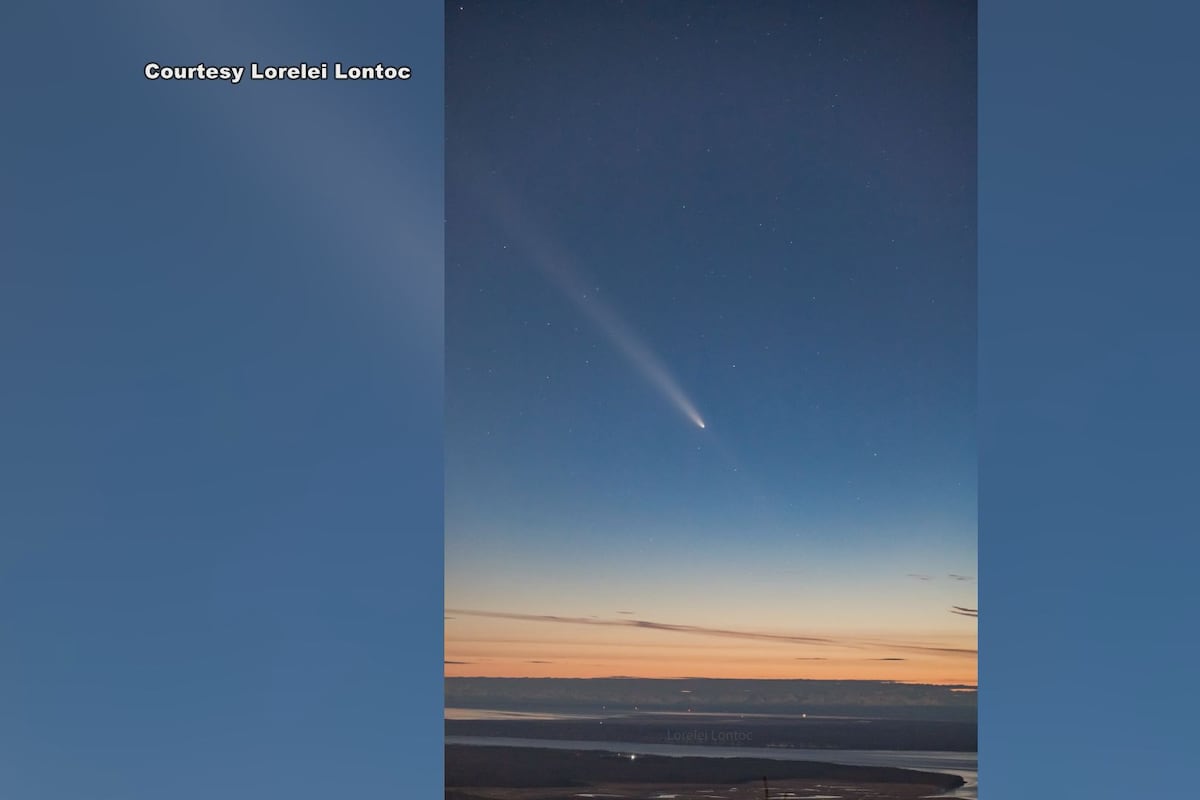
Tsuchinshan-ATLAS survived its journey past the sun on Sept. 27, where most comets known as dirty snowballs crumble under the intense heat. This is what is believed to have happened to Comet C/2024 S1 Atlas, which was expected to be visible from Earth next year.
If a comet survives when it approaches the sun, it gets warmer. The heat from the sun causes the ice to sublimate into gas and these gases and dust become a glowing coma and tail that can extend millions of miles.
In the case of Tsuchinshan-ATLAS, it’s believed to be as long as 18 million miles.
While the comet will be visible to the naked eye through the end of the month, a telescope will be needed if you want to catch a glimpse of it as November approaches.
If you capture any stunning images or videos, be sure to submit them here.
Copyright 2024 KTUU. All rights reserved.