‘We were targeted’: Whittier Samoan residents who are U.S. nationals claim state troopers asked for immigration status
WHITTIER, Alaska (KTUU) - Roughly 25 American Samoan residents who live in the small city of Whitter believe Alaska State Troopers targeted them believing they were illegal immigrants violating election laws, even though they are registered U.S. nationals.
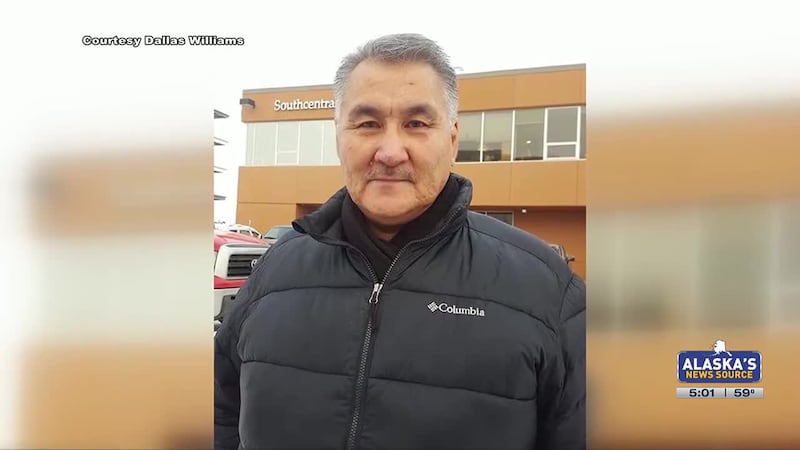
“We were targeted because one of the troopers pulled out the list, and my wife was standing right behind me, she said she saw all the names of my siblings, my co-workers,” Michael Pese, one of the 25 people that troopers talked to Sept. 5, told Alaska’s News Source Investigates.
“They pulled out a picture that had my face on it, and they said they’re looking for me. And they wanted to ask some questions about my immigration status, if I’m a citizen.”
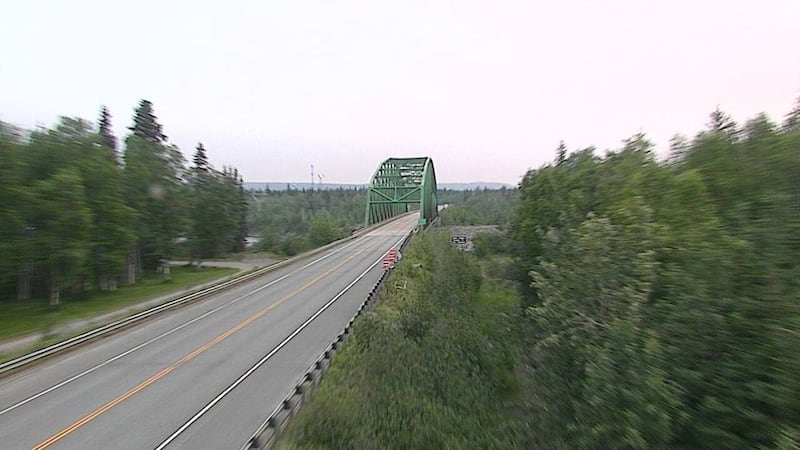
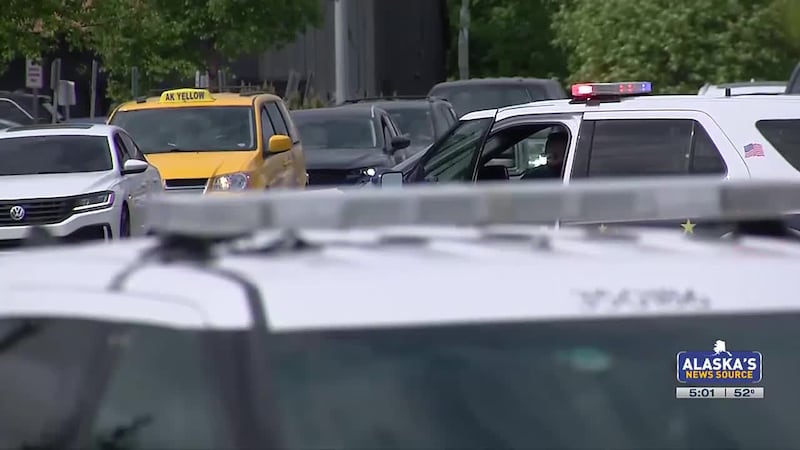
Whittier Tunnel video from Sept. 5 shows troopers displaying their badges identifying themselves and telling the toll booth operator there were 12 to 13 vehicles needing to be allowed to pass.
Resident security video from that day also shows some of the same troopers seen inside Whittier’s Begich Towers apartment building, where most of the 25 people live.
Pese’s sister Darlene Pese, who says troopers also questioned their mother and her husband, can be seen and heard on cell phone video with the officers.
“I asked for a search warrant ... like legal papers from the court or signed by the judge, or a search warrant — nothing,” Darlene Pese said. “I wanted to know what their motive was to be here and to show up unannounced at my family’s jobs ... I’ve been living here for years, and I never — this is new to us. This is crazy.”
In a Department of Public Safety statement to Alaska’s News Source, Communication Director Austin McDaniel would not give a specific reason why so many troopers went to the apartment complex.
“The Alaska Bureau of Investigation is conducting an active and ongoing criminal investigation in the Whittier area,” McDaniel said. “At this time no criminal charges have been filed nor have any arrests been made, and Troopers do not believe that there is any public safety threat associated with this investigation. DPS does not comment on active criminal investigations until they are closed by arrest, indictment, or investigation.”
“The Alaska Bureau of Investigation regularly investigates reports of criminal voter misconduct around the State of Alaska. The Alaska State Troopers do not have the legal authority to enforce federal immigration law,” McDaniel’s statement said.
Whittier Mayor Dave Dickason said he was unaware of why so many state troopers were sent to the town, but he suspects it has to do with Pese’s wife, Tupe Smith who court records show is facing five voter misconduct charges. Smith maintains her innocence.
In October 2023, records show the Alaska Division of Elections marked Smith’s election records “suspicious” and sent them to the Alaska Bureau of Investigations.
From voter registration to the Permanent Fund Dividend records dating back to 2020, prosecutors say Smith can be seen at different times marking herself as either a U.S. national or U.S. citizen.
While Division of Elections Director Carol Beecher referred all Smith case questions to the Alaska Department of Law, she did answer general questions about U.S. nationals voting regulations.
“It is a crime to register and vote if an individual is not a U.S. Citizen. Naturalized U.S. citizens are eligible to register and vote but noncitizen U.S. nationals are not,” Beecher said. “Noncitizen U.S. nationals are not eligible to register or vote.”
Unlike people automatically born American citizens in incorporated U.S. territories like Guam or Puerto Rico, because American Samoa is one of only two remaining U.S. unincorporated territories, those born there are nationals.
Anchorage immigration attorney Margaret Stock said this can often lead to government officials misunderstanding the difference, since U.S. nationals receive social security cards and have the ability to apply for passports.
“The picture gets very complicated when you’re talking about somebody from American Samoa,” Stock said. “Unless they have an expert attorney who has gone through their family history and their immigration history, it can be hard to tell what they are at any given moment.”
“When I went to DMV ... they only had U.S. citizen or a non-U.S. citizen [on the ID application],” Pese added. “I remember asking the DMV representative, ‘Hey, I’m a U.S. national. Which one do I check?’ And then they say, ‘Oh, what’s a U.S. national?’”
Stock says a 2016 ballot measure automatically registering PFD applicants to vote led to many people being improperly registered to vote.
To add to the confusion, she said for years DMV and PFD forms have offered no way of distinguishing between U.S. citizens and U.S. nationals.
“I think finally, the PFD office figured out that there was a problem, and they changed their forms,” Stock said. “DMV has been a problem for a long time, and even though they have an option to check national, sometimes the DMV employees tell people to check citizen, and that’s because people who are Nationals carry American passports.”
“It’s kind of like playing Whack-A-Mole with the DMV and the PFD office. When the individual people come to see me, I have to unravel what went wrong at the PFD office and at the DMV, and it’s just a really common problem, unfortunately,” Stock added.
As an example, Darlene Pese — who is a U.S. citizen — said the Division of Elections continues to send her husband, who is a registered U.S. national, voter information such as postcards outlining Whittier’s polling locations.
“My husband was registered to vote in the city of Whittier because it says the address on it too that he’s allowed to vote,” she said. “He’s registered to vote here in Whittier, knowing that he is a U.S. national.”
However, in Beecher’s statement, she said the Division of Elections only receives PFD information on individuals who have marked they are U.S. citizens.
Pointing to troopers bringing a copy of his PFD application with them Sept. 5, Pese disagreed.
“They asked me, if on your PFD application, did you checkmark U.S. citizen or U.S. national,” Pese recalled. “I told them, ‘If U.S. national is on there, I’m checking U.S. national.’
“I felt like that was a trap question,” Pese said. “The investigator actually pulled out my PFD forms, [and said], ‘Oh yeah, right here. You actually chose U.S. national.’”
Copyright 2024 KTUU. All rights reserved.