Export cost questions surrounding Fairbanks LNG spur line remain, lawmaker proposing bill says
FAIRBANKS, Alaska (KTUU/KTVF) - If an 800-mile Alaska liquefied natural gas pipeline is ever built, the sponsor of a bill that would require building an extra spur line supporters say will help lower Interior energy bills, also say some funding questions are still being worked out.
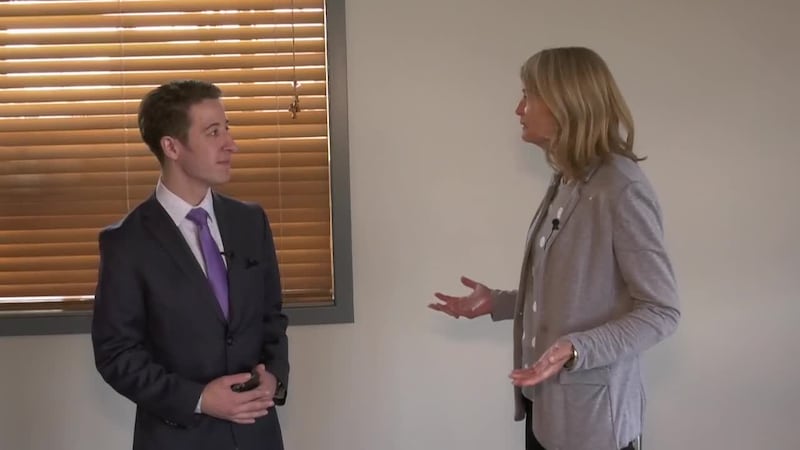
“I want to make sure that we’re using Alaska’s resource for Alaskans now, whatever the export price is, that’s totally different,” SB 114 sponsor Sen. Mike Cronk, R-Tok and Northway, told Alaska’s News Source. “But we need to make sure we’re getting the cheapest gas that we can possibly get.”
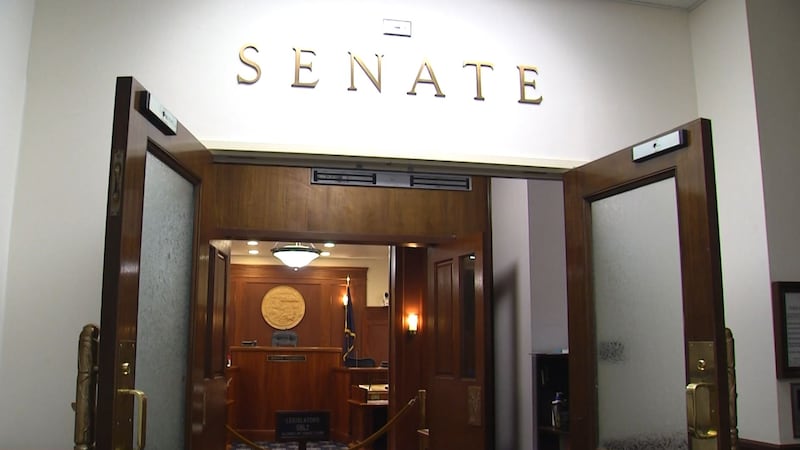
Export price questions remain as Cronk’s bill passed out of the Senate Resource Committee last week and has now been referred to the Senate Finance Committee.
The move comes as questions remain about an Alaska LNG timeline.
Earlier this month, Alaska oil and gas analyst Larry Persily said the potential project’s timeline is a lengthy one and not a quick return by any means.
In an interview with Alaska’s News Source in early 2024, Enstar Natural Gas Company President John Sims said a shortage of natural gas in Cook Inlet could come as early as 2026, while estimates put the potential building of the pipeline itself at a five to six-year endeavor.
“Realistically, even if there was a miracle and this thing could be pulled together, I don’t think that gasline could be operating for eight years,” Persily said. “Southcentral is going to need gas before then.
For his part, Cronk emphasized how the need is critical for a spur line to reduce Interior energy costs.
“Not only just homes, but that means all businesses, all schools, everybody should have lower energy costs,” Cronk said, pointing to the White House’s support for the project after President Donald Trump mentioned the LNG project in his congressional speech in early March, saying he is “working on a gigantic natural gas pipeline in Alaska.”
“It’s a real big indicator of how important this project is to not only Alaska but to the United States and the President,” Cronk said. “The president realized the importance of where Alaska is situated and how close we are to, you know, to Asia and those markets.”
“Certainly, Alaska has been pushing the notion of North Slope liquefied natural gas to Asia for decades; what’s changed in the last 10 years is LNG’s demand worldwide is growing,” Persily said earlier this month. “So, what you’ve seen in the last few weeks is Taiwan, South Korea, Japan wanting to avoid tariffs. They don’t want to become the next Canada or Europe or Greenland.”
See a spelling or grammar error? Report it to web@ktuu.com
Copyright 2025 KTVF. All rights reserved.