Roadtrippin’ 2024: Mind-blowing helicopter tour to Columbia and Valdez Glacier
Columbia glacier is facing a grim reality: it may disappear within the next decade
VALDEZ, Alaska (KTUU) - Alaska is home to dozens of active tidewater glaciers, many retreating in the face of climate change. Southcentral Alaska is one region where many of these large glaciers can be found.
From the Matanuska Glacier, to the Hubbard Glacier and the Columbia Glacier, located near Valdez, there are countless opportunities for glacier exploration.
Both the Hubbard and Columbia Glaciers top the list as the largest tidewater glaciers in North America. While the Hubbard Glacier is advancing — despite the effects of climate change — it’s a different story for the Columbia Glacier.
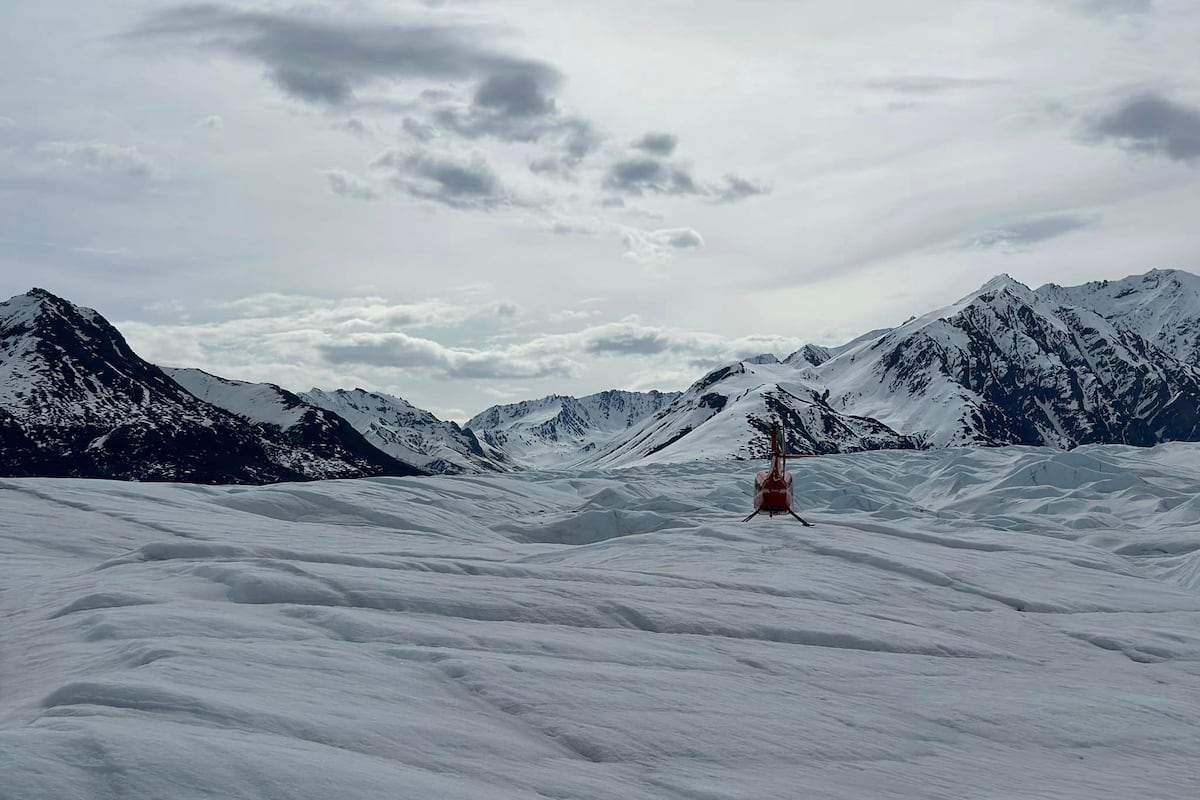
Although it ranks as the second-largest tidewater glacier in North America, it is also one of the fastest-shrinking glaciers in the world. Our Roadtrippin’ crew visited Valdez to take in the sights of the quickly-receding glacier, with a helicopter tour by VS Helicopters and Alpine Air Alaska.
“It’s dynamic. It’s much more dynamic than other glaciers I’ve seen,” pilot Al Carbono with Alpine Air stated. “You can come out here and you can probably catch a calving event every five to ten minutes from being out here.”
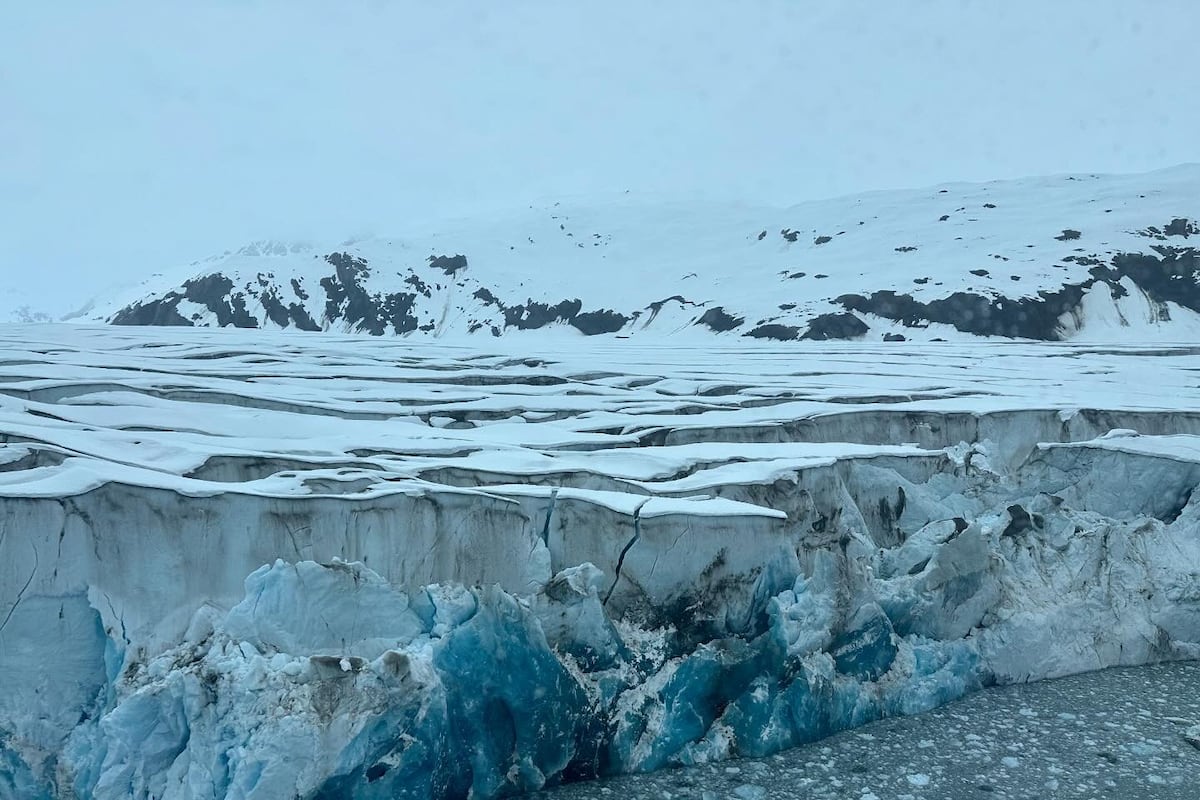
Within minutes of landing the helicopter to take in the sights and sounds of the glacier, our crew could hear the snap, crackle, and pop as chunks of ice break off and fall into Columbia Bay.
“The face of the glacier right now, certain sections are 600 feet,” Carbono said. “I’ve seen pieces flying above that close to 800 to 900 feet.”
When the glacier was first surveyed in 1794 by British explorers, it’s terminus was located near the northern edge of Heather Island. According to NASA, it held that position for nearly 200 years after its survey. Around 1980, the glacier began a rapid retreat of nearly 12 miles to the area it resides today.
“Columbia is not gonna probably be here in, you know, 20 or 30 years,” Carbono said.
Although the glacier is rapidly retreating and is responsible for nearly half of the ice loss in the Chugach Mountains, the sight of one of the largest tidewater glaciers in North America remains a beautiful place worth experiencing.
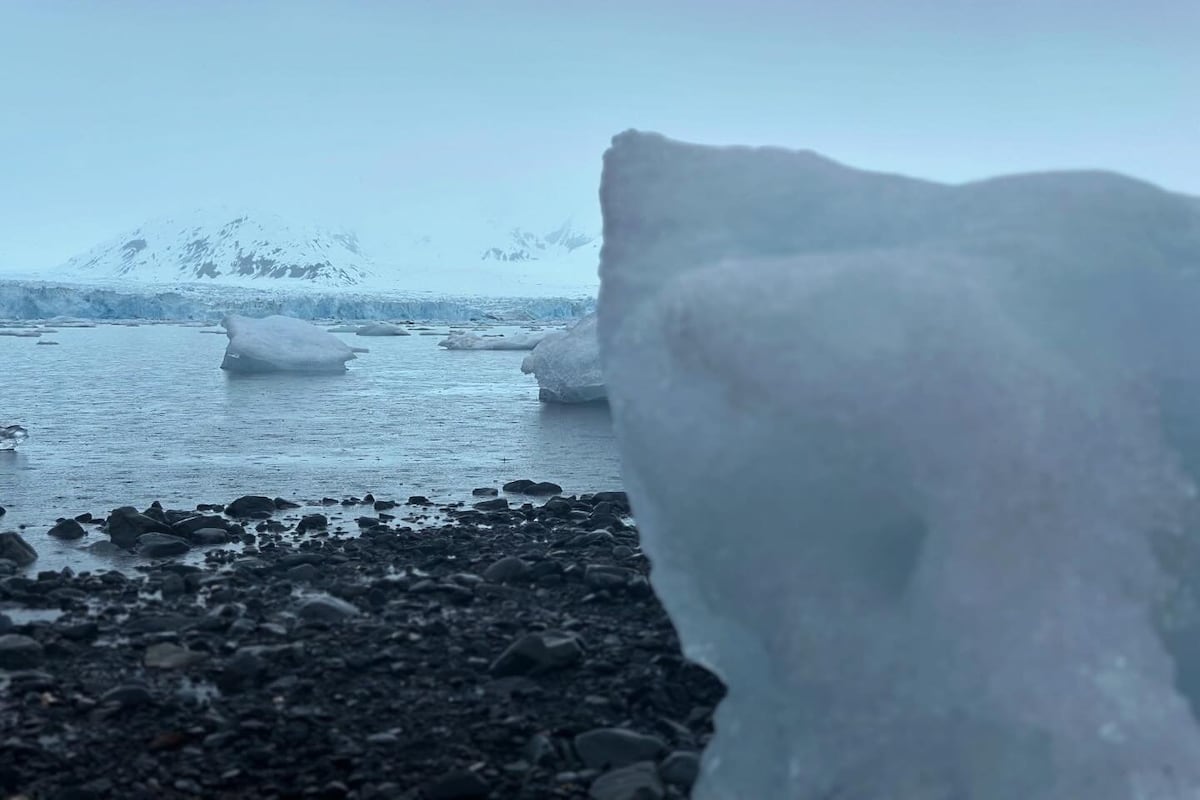
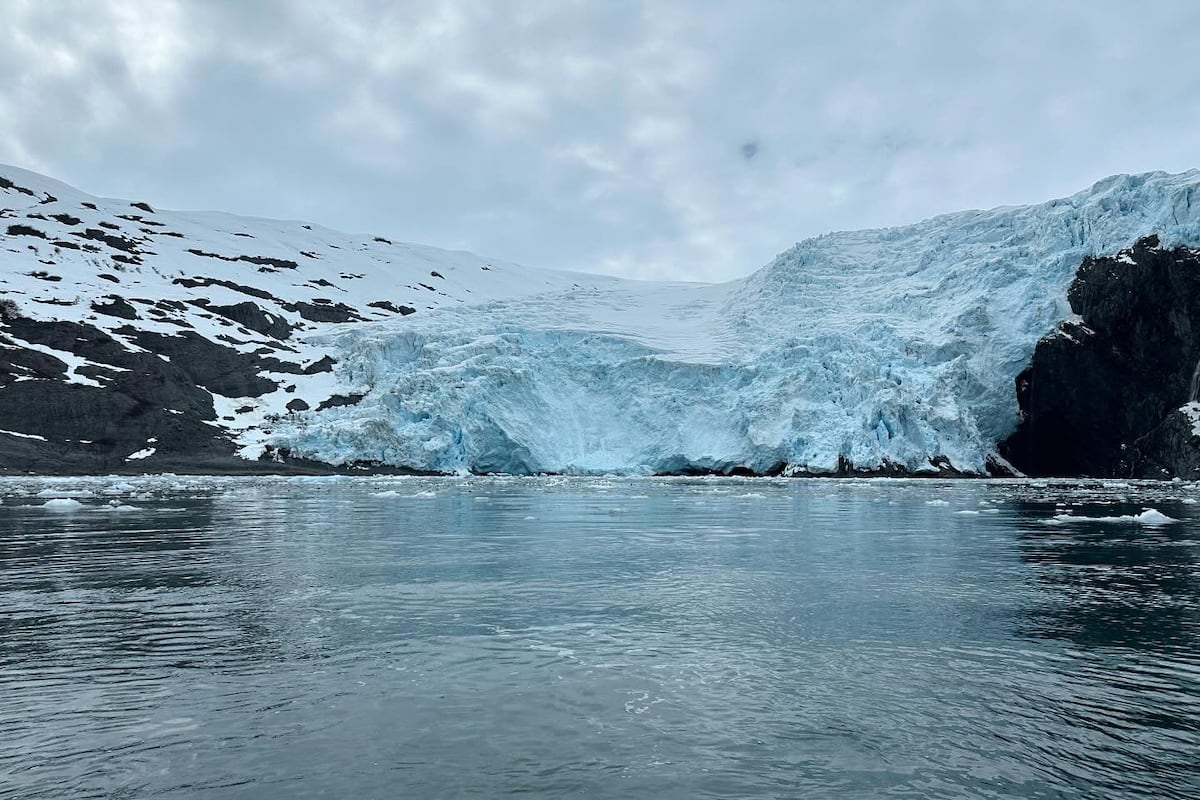
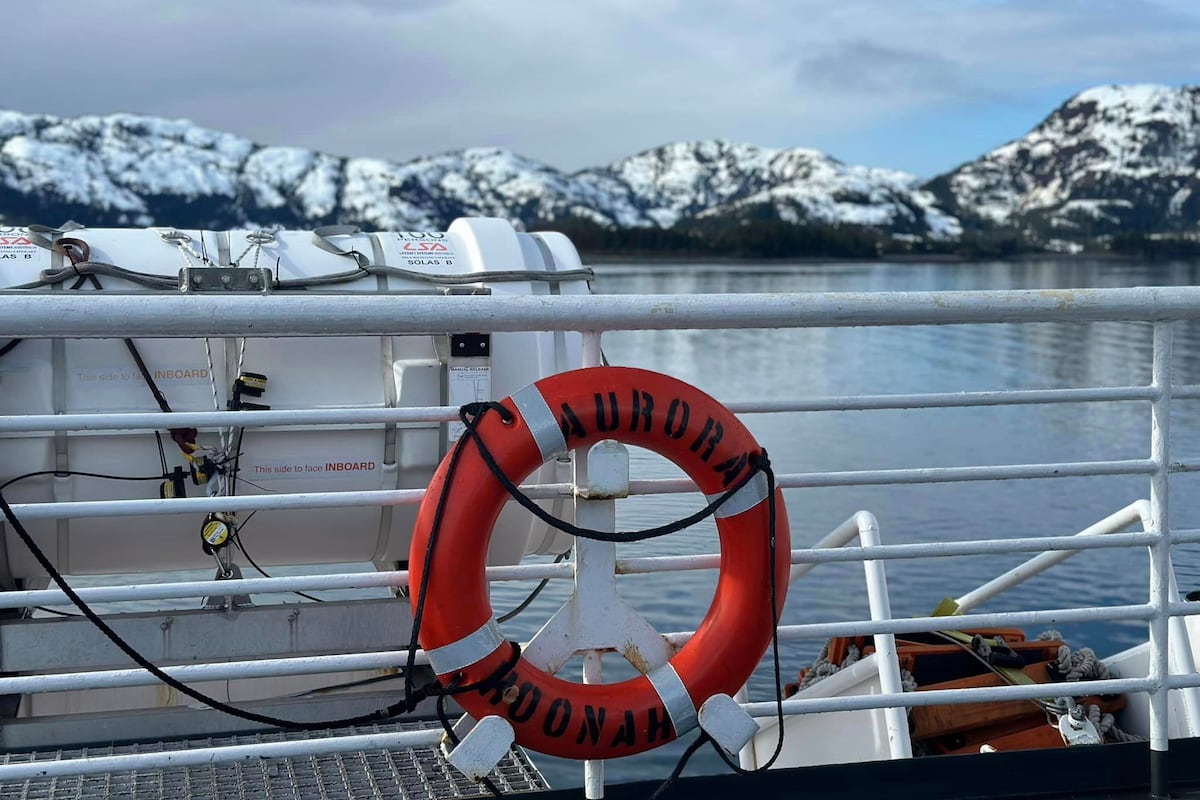
“It’s pretty cool to be able to show other people, especially locals — they don’t get the opportunity to come out here like this that often — but people from different parts of the world, and just show them our backyard.” Carbono said. “I’ve had passengers cry, you know, they’re in the back, and I kind of worry, I’m like, ‘Is everything okay?’ And they’re like, ‘No, this is tears of joy.’”
While sunny days provide stunning views of any glacier, Carbono said it’s the overcast days where people really get to experience a living glacier.
“On a day like today that’s overcast... you get to see glaciers come to life,” he said.
It’s the overcast days that tend to provide some of the deep blue colors that glaciers are photographically known for.
Columbia Glacier isn’t the only glacier retreating in Prince William Sound, and while Carbono said it is sad to see so many glaciers shrinking, they do provide a breeding ground for much of the sealife that calls Prince William Sound home.
“We get shrimp. We get the most amazing shrimp you can ever imagine,” Carbono said. “I’m from the Caribbean, and I’ve had shrimp, but nothing like Valdez shrimp.”
According to the Geophysical Institute, the Columbia Glacier is receding about 50 feet per day — or about three miles per year. It reports that the depth of the water at the face of the glacier was found to be critical to its stability.
There is some possible recovery for the glacier, according to scientists, as the Columbia Glacier’s retreat could slow down as it nears the shoreline. When this happens, it will lead to a slower rate of calving and could make it possible for the glacier to begin advancing.
The helicopter tour also took our Roadtrippin’ crew to Shoup Glacier and Valdez Glacier. Although retreating, both glaciers are much more stable and provide opportunities to explore and walk on the glacier.
Not only can adventure seekers take in stunning views of these glaciers during a tour by air, numerous wildlife can be spotted too.
Copyright 2024 KTUU. All rights reserved.