Roadtrippin’ 2024: the Anton Anderson Memorial Tunnel is one of a kind
At 2 1/2 miles, it’s the longest highway tunnel in North America, just one lane that is shared by vehicles and rail
PORTAGE, Alaska (KTUU) - The Anton Anderson Memorial Tunnel, which connects Portage to Whittier, is designed for temperatures down to 40 below, 150 mph winds, avalanches, and fires.
At 2 1/2 miles, it’s the longest highway tunnel in North America. It’s just one lane that is shared by vehicles and rail.
The tunnel is just a small opening in the 4,000-foot mountain that is surrounded by glaciers, waterfalls, and true Alaskan wilderness.
Trains and about 250,000 cars, trucks, boats, and more make their way through the mountain every year. It’s an organized dance, using a lot of technology housed in the tunnel control center.
Gordon Burton has been managing the facility for the Alaska Department of Transportation for more than 20 years. He makes sure the tunnel runs smoothly day to day, while the tunnel operator keeps it running minute to minute, keeping a close eye with more than two dozen cameras.
“He’s looking for things that might affect safety, and he’s looking how to organize the traffic to be the most efficient for the tunnel,” said Gordon Burton, facilities manager for the Alaska DOT.
This tunnel is the first in the world to use computerized regulation of both rail and highway traffic. It’s also the first U.S. tunnel with jet turbine and portal fan ventilation, all hidden in the A-frame structure.
Safety is a top priority and is the reason both fire equipment and firefighters are on scene.
“The thing about a fire in a tunnel, it’s not a matter of if — it’s a matter of when,” Burton said. “The engineers’ goal was to make one of the safest tunnels in the world.”
It wasn’t always that way. The tunnel dates back to the 1940s. It was built first for strategy during World War II.
Before the summer of 2000, only trains were allowed to go through the tunnel. To get a car through, it had to be loaded on a flatbed train car.
The tunnel has evolved from a train tunnel to a nearly-everything tunnel, from those first blasted rocks in the 1940s to modern upgrades in the 90s, and it wasn’t just the tunnel that was rebuilt in recent decades. Before the late 90s, there wasn’t even a road to the tunnel.
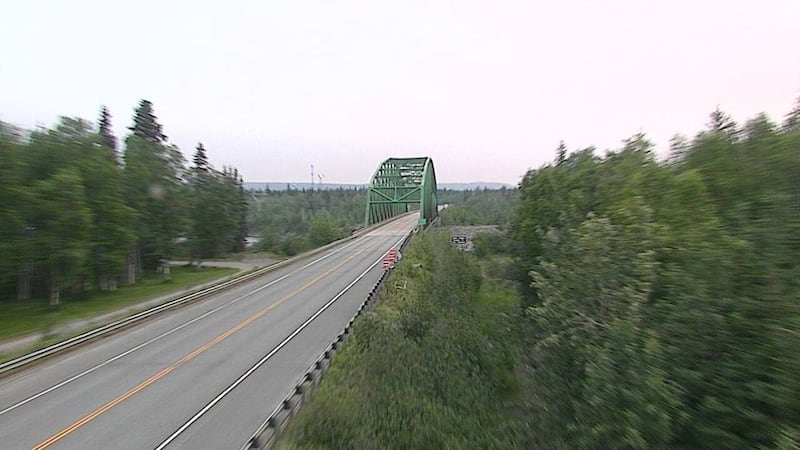
To connect the Portage Glacier Road to the tunnel. Alaska DOT&PF also had to build a smaller tunnel and two bridges to navigate the river and lake, providing the access we have today.
Copyright 2024 KTUU. All rights reserved.