Arctic Gardens: Using arctic ground for natural cold storage
FAIRBANKS, Alaska (KTUU/KTVF) - Alaska’s climate creates certain difficulties for those looking to grow vegetables, but one farm northwest of Fairbanks has found a way to use the natural cold in the ground for their benefit — by digging four feet into the earth for its root cellar.
Pete Mayo, who co-owns Spinach Creek Farm with his wife Lynn, said that during the summer, the cellar naturally stays between around 35- and 50-degrees Fahrenheit, fluctuating about 15 degrees over the summer.
This means that he does not have to artificially cool the space during the season, saving money on utilities.
“The cooling is entirely passive,” Mayo said. “The soil under our feet here is really quite cold, obviously, and so it’s a Conex box and it is just buried partway into the ground.”
The excavated earth is banked up along the box’s sides, and three layers of hay bales on the roof provide insulation.
The farm’s root cellar holds carrots, potatoes, broccoli, cabbage, cauliflower, and other vegetables for refrigerated storage.
A ramp leads down into the cellar, the depth of which involves a tradeoff.
“If you buried it farther down, you’d have a more stable temperature down there, but you’d also be hauling everything up that many more feet of ramp,” Mayo explained.
By the end of the summer, Mayo said conditions are no longer ideal for cold storage, but during the fall, the facility cools down again.
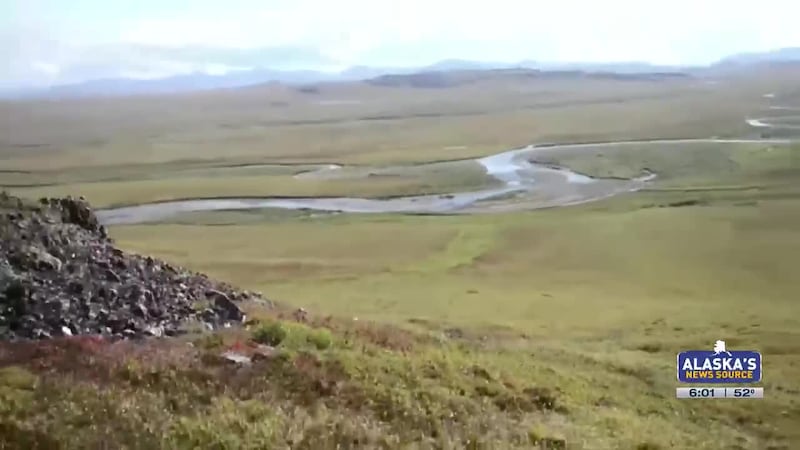
In some ways, growing in the arctic can be a challenge compared with the Lower-48, with a shorter growing season, wet conditions at lower elevations within valleys, and an earlier frost.
“Anyone who gardens in Alaska knows all about the challenges of dealing with unseasonable frosts, we’ve had certain seasons where we’ve had a frost pretty much every month of the year,” Mayo said.
However, Mayo said the longer days make for faster growth of vegetables, often making up for a shorter harvest window.
See a spelling or grammar error? Report it to web@ktuu.com
Copyright 2025 KTUU. All rights reserved.