Mushers react: New route, new mindset ahead of 2025 Iditarod race
ANCHORAGE, Alaska (KTUU) - The 2025 Iditarod Sled Dog Race will officially restart in Fairbanks following a late-season route change brought on by weather impacts across Southcentral Alaska.
On Monday afternoon, the Iditarod Trail Committee reversed its previous decision to restart the race on Jan. 31 in Willow, located approximately 70 miles north of Anchorage. Willow Lake is the traditional restart location of the nearly 1,000-mile annual sled dog race.
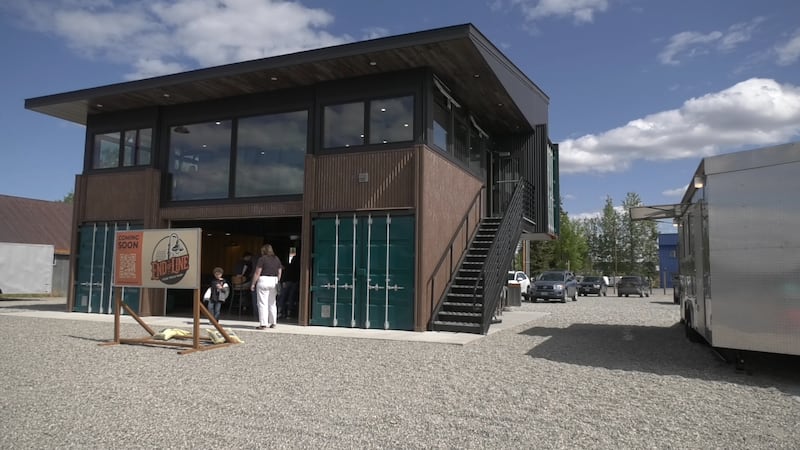
The 2025 Iditarod restart will also take place a day later than originally scheduled. The “official” start will now happen on March 3, at 11 a.m. at Pike’s Waterfront Lodge in Fairbanks. This comes after the Iditarod Trail Committee noted a lack of snow cover on the planned southern race route.
“It doesn’t come with a surprise,” said musher Matt Hall, who is set to run his seventh Iditarod race this year. “We were expecting changes, and we’re ready to ready to roll with the punches that brings.
This is the fourth time in the race’s history that it will start in Fairbanks. The last time was in 2017 when 2nd-generation musher Mitch Seavey won his third race in a record time of 8 days, 3 hours, 40 minutes, and 13 seconds. Seavey, age 57 at the time, also set a race record for the oldest Iditarod Champion.
With a brand new route in 2025 comes a new mindset, Hall said, with the potential for altered strategies and a recalculation of distances between the new checkpoints. On Tuesday, Hall said he was looking at how previous teams ran closely comparative routes. It’s now crunch time with the race quickly approaching.
“What do we do? It’s two weeks out and now what schedule... what kind of schedule am I running?” Hall hypothesized. “It’s late notice to be able to really change anything training-wise.”
This is typically the time when training begins to pull back in preparation for the long-distance race.
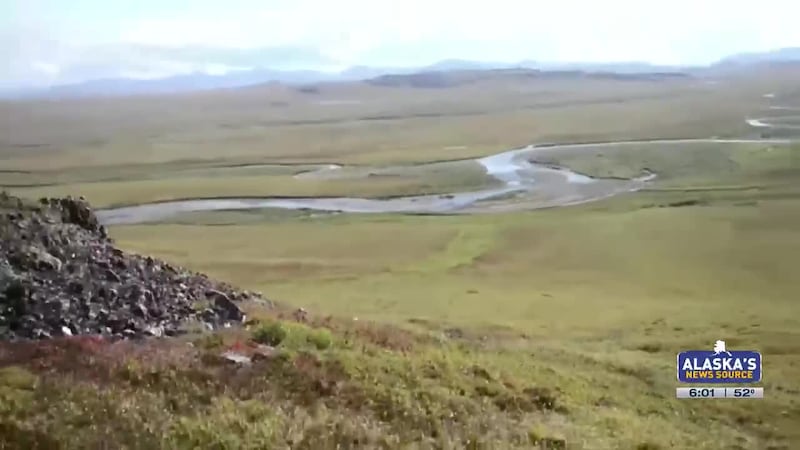
A Fairbanks restart in 2025 means teams will no longer travel through the famed and technically challenging Alaska range.
“I’m disappointed not to be running the original route. I think that the challenge of going through the Alaska Range, running across ‘the burn’ really adds to the iconic Iditarod experience,” said another race veteran Jeff Deeter. “That being said, I think that we can all breathe a little sigh of relief knowing that we’re going to come out a little healthier physically as mushers, and our sleds are going to take a little less of a beating.”
Mushers will also spend a much longer portion of the race traveling through Interior Alaska on the frozen Yukon River.
“It’s going to be a lot of time spent on a pretty wide river which, as a sled driver is pretty boring. So, I’ve downloaded some good audiobooks for this year’s race,” Deeter said.
Similar to Hall, Deeter says there is little time to make any major adjustments to his strategy or the team’s training schedule.
“All of our training is done,” Deeter said. “As we get ready for our main event, we bring down, we step down the training that we’re doing, making sure that our dogs have a chance to fully, physically recover from some of their big, big training runs they did a few weeks ago leading up to this last week. So, at this point now, there’s nothing that we can really change about our training. There’s nothing we can change about our food drop either because that’s already been turned in, so we are basically committed.”
See a spelling or grammar error? Report it to web@ktuu.com
Copyright 2025 KTUU. All rights reserved.