Fishing Report: Where anglers can — and can’t — fish, plus sockeye numbers in Kenai
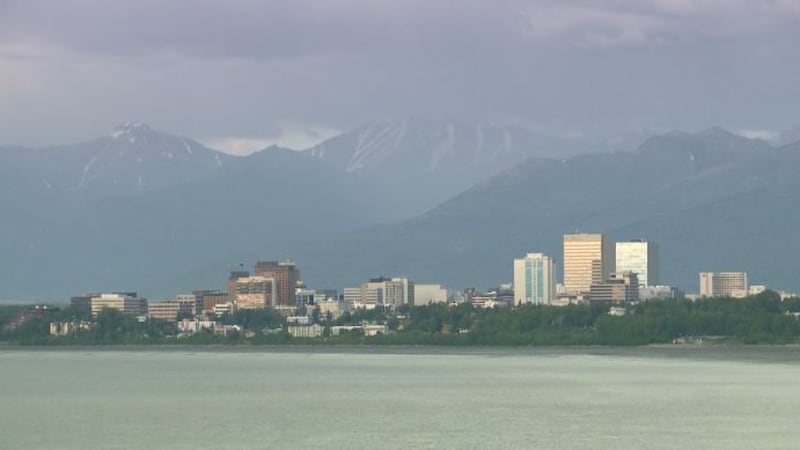
ANCHORAGE, Alaska (KTUU) - The final fish have reeled in at Ship Creek for the next two weeks with the closure of sport fishing at the popular fishery though July 13.
When the creek opens back up, there will be no retention of king salmon for the rest of the season.
The Alaska Department of Fish and Game prohibited retention of king salmon in the Campbell Creek youth-only fishery this weekend. Chinook may not be removed from the water and must be released immediately and be caught with one unbaited, single-hook, artificial lure.
“With poor king salmon returns and a below average brood year for fish returning this year, it is necessary to protect this small run of king salmon,” Area Management Biologist Brittany Blain-Roth said in a press release. “ADF&G values youth fishing opportunities for young anglers and to maintain these opportunities now and into the future, and restricting to catch-and-release is necessary based on current run assessment.”
While these emergency orders limit chinook fishing opportunities in the Anchorage area, a roadtrip can take fishing enthusiasts to the kings. The Ninilchik River is still open to fishing for hatchery king salmon through July 15 with new fish arriving through the week, according to Fish and Game. The use of bait is prohibited.
The Kasilof River is also open to fishing for hatchery king salmon — not wild kings — which can be recognized by an intact adipose fin. The fishing has been red hot for reds, with over 100,000 sockeyes counted on the Kasilof River sonar.
More than 24,000 reds have passed through the Russian River weir as of publishing; Kenai lake, river, and tributaries are open to fishing for all species other than king salmon.
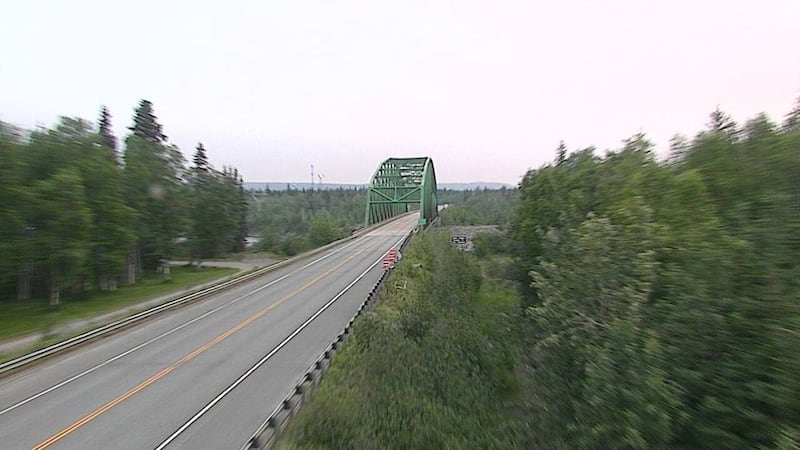
Also, the Kasilof River personal use dipnetting area has expanded as well, outlined with markers on Cook Inlet beaches upstream to the Sterling Highway Bridge on the river. Only Alaskan residents may participate and must have an Upper Cook Inlet personal use permit and a 2024 resident sport fishing license.
“Current sockeye salmon passage into the Kasilof River is looking strong and we’re on track to exceed the biological escapement goal. To provide more opportunity to Alaska residents, the personal use dipnetting area for boat and shore anglers will be expanded,” stated Area Management Biologist Phill Stacey. “The Department would also like to remind dipnetters that king salmon of any size may not be kept while dipnetting and king salmon may not be removed from the water and must be released immediately.”
In more good news, Fish and Game is liberalizing existing sport fishing regulations by increasing the sockeye salmon bag and possession limit to 12 fish per day in the Resurrection River and adjacent salt waters of Resurrection Bay, previously set at six. The changes took place last week and will be in effect through July 31.
“The Bear Lake sustainable escapement goal has been achieved and the hatchery broodstock requirements are anticipated to be met. Through June 18, 10,761 sockeye salmon have passed the Bear Creek weir and over 1,000 fish are holding just below it,” Brittany Blain-Roth said. “Fishing has been good on some tides and slower on others. Anglers should be aware that they may have to put in extra effort to catch 12 fish.”
As a reminder, snagging is not allowed in freshwater.
In addition, the Seward Lagoon youth-only fishery has been extended through the end of July. Anglers 15 years of age and younger have additional opportunities to harvest king salmon returning to the Seward Lagoon. Adults can assist youth anglers, but the fish becomes part of the bag limit of the angler who hooks the fish. Each youth angler is allowed a bag limit of two fish per day.
There are also hundreds of bodies of water already stocked with thousands of fish of a variety of species throughout the state. In Alaska, just because one fishery closes, does not mean another one isn’t open.
All ADF&G emergency orders and advisory announcements can be found on its website.
Copyright 2024 KTUU. All rights reserved.